
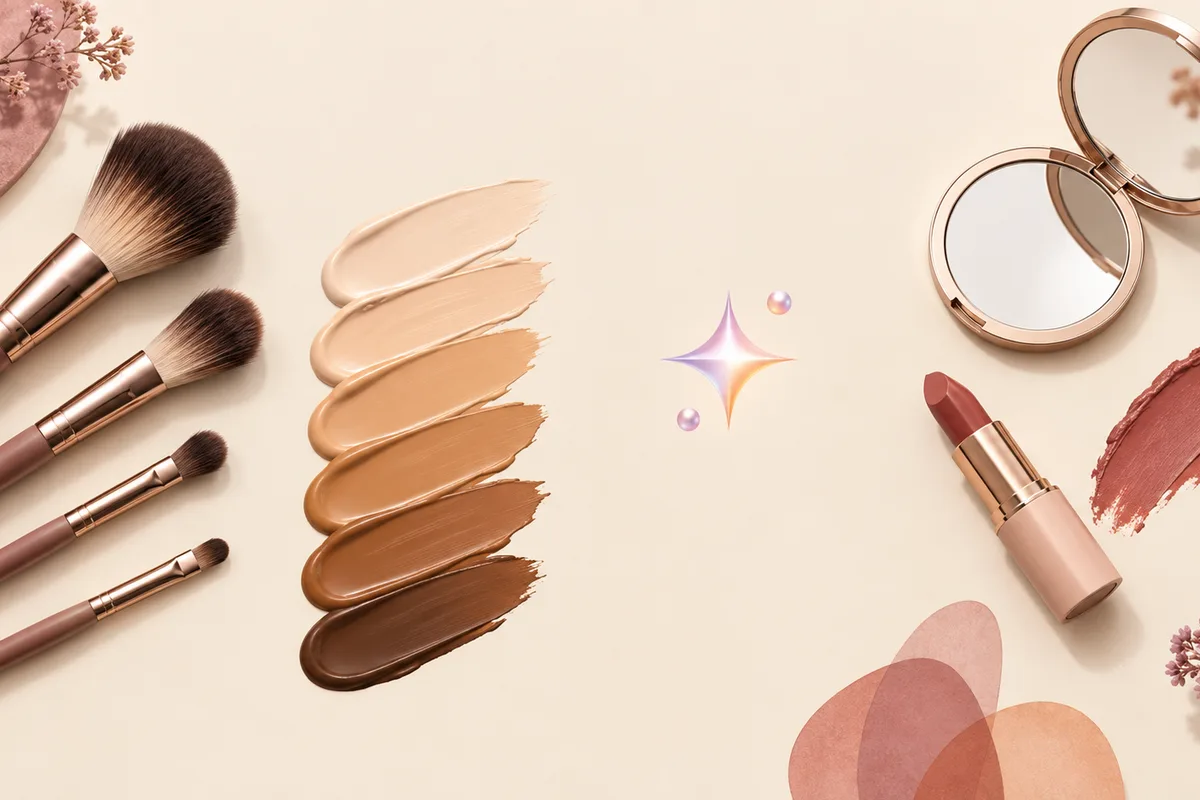
A routine is a menu, not a test
Makeup can look like a long list of steps when every tutorial introduces a new brush, primer, corrector, contour, and setting spray. You do not need all of them. A useful first routine solves a small, everyday goal: even out a little redness, add color to cheeks, define brows, or make lashes more visible. Choose one or two things you want to change or emphasize, then stop there. The most wearable look is usually the one you can apply comfortably and repeat without rushing.
Start with clean hands, decent light, and a few products rather than a full kit. Add steps only after learning what each does on your face. There is no single correct beginner look. These are cosmetic techniques, not skin treatment; stop using makeup that causes a rash or stinging and seek professional advice for persistent concerns.
Prep: clean, moisturize, protect
For daytime, begin with clean skin and a moisturizer that feels comfortable for you. If you wear sunscreen, apply it as directed and give it time to settle before makeup. Sunscreen is its own sun-protection step: makeup with an SPF claim should not automatically replace adequate sunscreen, because people may apply too little makeup or miss areas. The American Academy of Dermatology recommends broad-spectrum SPF 30 or higher for everyday protection. Follow the sunscreen label, including directions for reapplication when outdoors.
Wait a few minutes after moisturizer or sunscreen before adding complexion products. If makeup pills, try using less skincare, allowing more drying time, or simplifying the layers rather than immediately buying a primer. Primer is optional; it can change feel or wear, but it is not a universal prerequisite. If your skin is very dry or easily irritated, keep prep simple and avoid experimenting with several new products on the same day. Let comfort, not a complicated routine chart, guide the choice.
Choose a base that matches the amount of coverage you want
A skin tint or tinted moisturizer offers a sheer, forgiving starting point; foundation is available in a wide range of coverage and finishes. You can also skip an all-over base and use concealer only where you want extra coverage. These labels are not perfectly standardized between brands, so texture and opacity can differ. Test a shade along the jaw and check it in natural light. A good match should blend into both the face and neck without leaving an obvious stripe or turning markedly orange, pink, gray, or pale.
Apply a small amount to the center of the face or areas where you want a more even appearance. Use clean fingertips, a clean sponge, or a brush and work outward in thin layers. Press or stipple around the nose and mouth instead of dragging product across every bit of texture. Check the result from a normal conversational distance. If the product looks mask-like, sheer it out with a little moisturizer on the hand only if the product directions allow, or simply use less next time. More coverage is not always more polished.
Concealer, powder, and the art of stopping early
Concealer is a targeted tool, not a required second coat over the whole face. Tap a small dot over a spot or in a shadowed area and blend just the edge, leaving the center more covered. For under-eyes, use less than you expect; a thick layer can collect in fine lines as the face moves. A concealer close to your skin tone is a flexible first choice. Very bright under-eye shades can look conspicuous in daylight, especially when the rest of the face is lightly made up.
Powder is optional and most useful where shine or transfer bothers you, such as the sides of the nose or center of the forehead. Pick up a little, tap off extra, and press it on rather than sweeping a large amount over the face. If you like a dewier finish or have dry patches, you may prefer to skip powder or use it only in one spot. Makeup textures can behave differently together; if a base separates, try fewer layers and let each layer settle before adding the next.
Add one feature: brows, lashes, or color
For brows, brush hairs into place first. A pencil can sketch small, hair-like marks into sparse areas; a tinted or clear gel can make the existing shape more visible with less precision. Use a light hand at the inner brow and compare both sides as you go. Brows are naturally different from each other, and trying to make them identical can create more work than the look needs. A soft outline is enough for an everyday routine.
Mascara is a straightforward way to bring attention to the eyes. Wipe excess from the wand at the tube opening, look slightly downward into a mirror, and move the brush from the lash roots toward the tips without poking the eye. One coat is a good place to start; let it dry before deciding whether a second is wanted. Replace eye products according to package directions and do not share mascara or eyeliner. FDA eye-makeup safety guidance advises avoiding use when the eye area is infected or inflamed and discarding eye cosmetics used during an infection.
Blush and lips: small placement changes the whole look
Cream and powder blush can both work; choose by feel and convenience rather than rules about face shape. Smile softly or look straight ahead, then place a tiny amount on the area you want to bring forward. Blend the edges with fingers, a sponge, or a clean brush. Powder formulas can layer neatly over a set base, while cream formulas often look seamless on minimally powdered skin. If you apply too much, soften the edge with the same tool used for your base instead of adding more color elsewhere to compensate.
Lip balm, a sheer tint, lipstick, or no lip product at all can finish the routine. For a neat lip color, apply from the center outward and blot once on tissue if you want less transfer. To make the look feel cohesive, repeat a similar color family on cheeks and lips, but matching exactly is not necessary. Makeup is removable and changeable, so try one variable at a time: placement, intensity, or finish. That makes it easier to identify what you like and avoid turning experimentation into a shopping list.
A sensible order, with permission to adapt
One workable order is skincare and sunscreen, complexion base, concealer, cream cheek color, brows and eyes, then powder where needed and powder blush if using it. Some people prefer eyes before complexion to catch fallout; others find it easier to finish the base first. Cream products often blend more easily before powder, but formulas vary. Treat order as a practical starting point rather than a law: if a product's label gives instructions, follow them, and test combinations on a low-stakes day before relying on them for an event.
A quick practice routine could be: moisturize, apply a sheer tint only where desired, tap on a little concealer, brush brows, add one coat of mascara, and finish with blush or lip color. It takes fewer decisions than a full-face tutorial and still looks intentional. When something goes wrong, identify the specific issue. Patchiness may call for less product or a different tool; a shade mismatch requires a better shade, not additional powder; shine may need blotting rather than another layer. Troubleshooting one problem at a time keeps the routine learnable.
Tools, hygiene, and taking it off
Clean hands are enough to apply many cream products, and a basic brush or washable sponge can be useful but is not essential. Keep tools personal, wash them regularly according to their material and product instructions, and let them dry completely. Avoid putting fingers directly into shared jars. Do not share products that touch eyes or lips, and do not add water or saliva to a mascara tube. The FDA notes that cosmetics can become contaminated and that safe use includes following product directions and keeping containers clean.
Remove makeup at the end of the day with a remover or cleanser suited to the products you wore; waterproof formulas may need a dedicated remover. Wipe gently rather than scrubbing, especially around eyes. If one pass leaves visible makeup, repeat gently or use a second cleansing step rather than rubbing harder. Close containers after use, watch for changes in smell or texture, and follow any period-after-opening or expiration information. The FDA explains that cosmetics may not all carry expiration dates, so storage and signs of change matter too.
Build your kit only after you learn your habits
A compact starter kit might be a base product only if you want one, concealer if you use it, one cheek color, a brow product or mascara, and a lip product. Your first purchase could instead be just a mascara and blush if those are the features you care about. Keep a note of shades and finishes you liked, and test products in daylight when possible. Whenever you can, test a small area first and give a new product a few days of ordinary use before adding another unfamiliar formula; this makes it easier to spot an unwanted reaction.
Choose products that match your skin, feel comfortable, and fit the way you get ready. SIMAKEUP AI offers multilingual beauty chat and an optional selfie for exploring makeup questions, without guaranteed shade matches or outcomes. Check labels; cosmetic chat is not medical advice.
Frequently asked questions
What should a beginner buy first?
Begin with one or two items for the effect you want, such as a sheer base, mascara, blush, brow gel, or lip color. You do not need a full kit.
Do I need primer?
No. Primer is optional. First see how your skincare and makeup work together; consider primer only if you have a specific texture or wear concern.
Should makeup go on before sunscreen?
Apply sunscreen as directed before makeup and allow it to settle. Do not rely on a small amount of SPF makeup as your only sun protection.
What if a product irritates my skin or eyes?
Stop using it. Avoid applying cosmetics to irritated or infected areas, and seek advice from a qualified health professional if symptoms persist or are concerning.
Sources and further reading
The sources below support safety, skincare or technology context. Application advice is general educational guidance, not a claim of hands-on product testing or expert medical review.